




Hip hop music is more than a musical genre. It is a global cultural movement that has influenced fashion, language, dance, art and social conversations for decades. From its beginnings in the streets of New York City to its enormous international presence today, hip hop has continually evolved while remaining connected to its roots of creativity, storytelling and self-expression. The phrase “all hip hop music” can therefore describe a remarkably diverse world of sounds, artists and styles.
The Origins of Hip Hop
Hip hop emerged during the 1970s in the Bronx, New York City, particularly within Black and Latino communities. At a time when many neighbourhoods faced economic hardship and limited opportunities, young people created new forms of entertainment and expression. DJs became central figures at community parties, using turntables to extend instrumental sections of funk, soul and disco records.nybusines.com
One important innovation was the breakbeat, where DJs isolated and repeated the most energetic parts of songs. These extended breaks provided a foundation for breakdancing and eventually MCing. Early MCs began speaking rhythmically over the music, entertaining crowds and developing the lyrical traditions that would become rap.
Hip hop culture eventually developed four commonly recognised elements: DJing, MCing, breakdancing and graffiti art. Together, these forms created a movement that was creative, competitive and deeply connected to community life.
The Golden Age of Hip Hop
The 1980s and early 1990s are often associated with hip hop’s golden age. During this period, the genre became increasingly diverse and sophisticated. Artists experimented with production techniques, lyrical structures and subject matter, while independent labels and major record companies helped bring hip hop to wider audiences.
Groups and artists from different parts of the United States developed distinctive sounds. East Coast hip hop became known for complex lyricism and sample-heavy production, while West Coast artists developed styles that incorporated funk, powerful basslines and regional storytelling.
This period also demonstrated that hip hop could address serious social issues. Artists discussed poverty, racism, violence, politics, identity and life in disadvantaged communities. At the same time, other musicians focused on humour, parties, relationships, ambition and personal success.nybusines.com
Major Hip Hop Styles
There is no single sound that represents all hip hop music. The genre contains numerous subgenres and regional traditions.
Old-school hip hop focuses heavily on classic DJ techniques, rhythmic MCing and party-oriented performances. Conscious hip hop often explores politics, social inequality, identity and personal philosophy. Gangsta rap became particularly influential through its direct portrayals of street life, crime, conflict and survival.
Southern hip hop introduced distinctive rhythms and production styles from cities such as Atlanta, Houston, Memphis and New Orleans. Trap music, which developed from Southern hip hop, later became one of the most commercially successful sounds in contemporary popular music.
Alternative hip hop has pushed against conventional expectations, combining rap with rock, jazz, electronic music and other genres. Meanwhile, melodic rap has increasingly blurred the boundaries between singing and traditional MCing.
The Importance of Lyrics
Lyrics remain one of hip hop’s defining characteristics. A skilled rapper can use rhythm, rhyme, wordplay, metaphor and storytelling to communicate complex ideas in a few minutes.
Hip hop lyrics can be autobiographical, political, humorous, romantic or fictional. Some artists use music as a diary, describing their childhood experiences, ambitions and struggles. Others create elaborate fictional narratives or use clever wordplay simply to demonstrate technical ability.
Freestyle and battle rap have also played important roles in hip hop culture. These forms emphasise improvisation, confidence and lyrical competition. They demonstrate that rap is not only about recorded music but also about performance and verbal creativity.
Hip Hop and Technology
Technology has played a major role in the development of hip hop. Early producers relied on vinyl records, turntables and drum machines. Sampling allowed producers to transform existing recordings into entirely new musical compositions.
The introduction of affordable digital audio workstations later changed production dramatically. Today, producers can create complex tracks using computers, software instruments and digital samples without requiring a traditional recording studio.
Social media and streaming platforms have created another major transformation. New artists can distribute music globally without depending entirely on traditional record labels. A song recorded in a bedroom can potentially reach listeners across continents within hours.
Global Hip Hop
Hip hop is now a worldwide phenomenon. Artists in the United Kingdom, France, Germany, South Korea, Japan, Australia, Canada, South Africa and many other countries have developed local rap scenes.
International hip hop often combines the traditional foundations of rap with local languages, instruments and cultural experiences. This has allowed artists to maintain their regional identities while participating in a global musical conversation.
In many countries, hip hop provides younger generations with a way to discuss social conditions, identity and everyday life. The music may sound different from American hip hop, but its emphasis on expression and storytelling remains familiar.
Women in Hip Hop
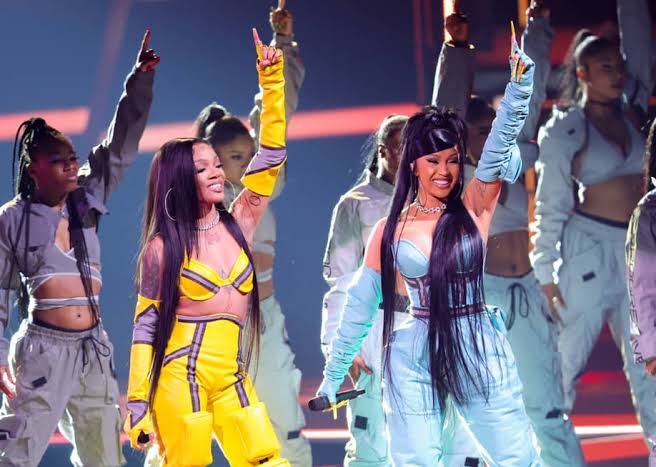
Women have made significant contributions to every era of hip hop. From pioneering MCs to contemporary chart-topping performers, female artists have challenged stereotypes and expanded the possibilities of the genre.
Women in hip hop have addressed subjects including independence, relationships, inequality, confidence and professional ambition. Their contributions have also influenced fashion, dance, visual culture and popular attitudes towards female creativity.
Although the industry has historically presented barriers for women, their growing visibility demonstrates the breadth of talent within hip hop.
Hip Hop Today
Modern hip hop is constantly changing. Contemporary artists frequently combine rap with R&B, pop, rock, electronic music and Afrobeat influences. Streaming has also changed how audiences discover music, making playlists, short videos and social platforms important parts of an artist’s career.
Some listeners prefer traditional boom-bap production and dense lyricism, while others enjoy trap, melodic rap or experimental sounds. This variety is one of hip hop’s greatest strengths.
The genre has also become a major economic force. Successful artists can generate income through recordings, touring, merchandise, endorsements, fashion collaborations and other businesses. Hip hop culture now influences industries far beyond music.
The Lasting Influence of Hip Hop
The story of all hip hop music is ultimately a story of evolution. What began as a local cultural movement became one of the world’s most influential forms of popular music.
Hip hop has given millions of people a platform to tell their stories, express frustration, celebrate success and connect with others. Its history includes legendary DJs, innovative producers, influential MCs, groundbreaking dancers and visual artists.
As new generations experiment with sounds and technology, hip hop will continue to change. Yet its fundamental principles—creativity, rhythm, individuality, competition and storytelling—remain powerful.
Whether someone prefers classic rap, conscious hip hop, gangsta rap, Southern trap, alternative sounds or modern melodic styles, the enormous variety within the genre means there is always something new to discover. All hip hop music represents not simply a collection of songs, but a constantly evolving cultural language that continues to shape the sound and identity of the modern world.