


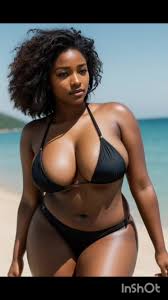
The phrase “Baddie Hub Ebony” brings together several ideas that are increasingly visible across modern beauty and social-media culture: confidence, personal style, creativity and the celebration of Black beauty. While “baddie” culture is often associated with carefully curated outfits, beauty routines and striking social-media aesthetics, the broader idea is about expressing personality and feeling comfortable in your own identity. For many Black women, this style can also provide a space to celebrate distinctive beauty, fashion and cultural influences.
Understanding the Baddie Aesthetic
The baddie aesthetic is less about following one strict formula and more about creating a polished personal image. Common elements include coordinated outfits, styled hair, defined makeup, statement accessories and confident poses. Social platforms have helped turn these individual elements into a recognisable visual culture.
For an ebony or Black-focused interpretation of the aesthetic, representation can be particularly important. Beauty standards have historically overlooked many skin tones, hair textures and facial features. The growth of Black beauty creators has helped broaden the conversation and demonstrate that glamorous, fashionable and sophisticated styles can be adapted to a wide range of appearances.https://nybusines.com
Ebony Beauty and Representation
Black beauty is diverse, and there is no single appearance that defines an ebony aesthetic. Deep and rich skin tones occur across a broad spectrum, while natural hair can range from tightly coiled textures to looser curls and protective styles.
Modern beauty culture increasingly recognises this diversity. Makeup brands have expanded foundation ranges, while creators share techniques for finding complementary colours, building skincare routines and choosing products for different skin types. This has made beauty content more inclusive and has encouraged people to experiment rather than feel restricted by older standards.https://nybusines.com
Representation also matters beyond cosmetics. Seeing Black women represented confidently in fashion, lifestyle and creative spaces can help challenge narrow assumptions about who gets to participate in particular trends.
Fashion as Self-Expression
Fashion is one of the strongest components of baddie culture. A successful look does not necessarily require expensive clothing. The key is often coordination, fit and confidence.https://nybusines.com
Streetwear, fitted silhouettes, oversized jackets, denim, dresses, tailored pieces and sporty outfits can all work within the aesthetic. Accessories can change an otherwise simple outfit, while handbags, sunglasses, jewellery and carefully selected footwear can create a more complete appearance.
Colour choices are equally personal. Some people prefer neutral shades such as black, cream, brown and white, while others enjoy vivid colours and dramatic combinations. The most effective approach is to treat trends as inspiration rather than rules.
Hair and Protective Styles
Hair is an important part of Black fashion and beauty culture. Braids, twists, locs, natural curls, wigs, weaves, ponytails and other styles offer opportunities for experimentation while reflecting individual preferences.
Protective styles can also be incorporated into different aesthetics. A simple braided style can complement casual clothing, while a carefully styled updo can work with a more formal outfit. Accessories such as clips, scarves and jewellery can further personalise a look.
Healthy hair practices remain important regardless of style. Understanding one’s hair texture, avoiding unnecessary tension and maintaining a suitable cleansing and conditioning routine can help support long-term hair health.
Makeup and Skincare
Makeup within baddie culture often focuses on creating a polished appearance. Brows, lashes, complexion, lip colour and subtle contouring can all contribute to a finished look.https://nybusines.com
For deeper skin tones, colour selection can be especially important. Foundations and concealers should be matched carefully rather than chosen simply because they appear similar in the packaging. Lip colours, blush shades and highlighters can also produce very different effects depending on undertones.
Skincare provides the foundation beneath makeup. Cleansing, moisturising and daily sun protection can form a straightforward routine. Individual skin needs vary, so keeping a routine consistent and avoiding excessive product experimentation can be useful.
Social Media and the Baddie Hub Concept
Platforms such as Instagram, TikTok and Pinterest have played a major role in spreading baddie-inspired aesthetics. Users share outfit ideas, makeup tutorials, hairstyles, photography concepts and lifestyle content.
The term “hub” can therefore be understood as a central space where people discover inspiration. A successful online beauty community can go beyond photographs by sharing practical information, product knowledge, styling techniques and conversations about representation.
However, social media also creates pressure. Highly edited photographs, filters and carefully staged lifestyles can make everyday life appear less glamorous by comparison. Remembering that online content is usually curated can help maintain a healthier perspective.
Confidence Beyond Appearance
Although appearance is central to the baddie aesthetic, confidence is arguably its most important feature. Confidence does not mean believing that one must always look perfect. Instead, it can mean developing a personal style and being comfortable expressing it.
This mindset can influence many areas of life. Someone who experiments with fashion may become more comfortable with creativity. Someone who learns makeup techniques may develop a stronger understanding of colour and presentation. Someone who embraces their natural hair may feel more connected to an important part of their identity.
The strongest version of baddie culture is therefore not simply about looking attractive. It is about having the freedom to define what attractiveness and confidence mean personally.
Building a Personal Baddie Style
Creating a personal aesthetic can begin with observation. Save outfits, hairstyles and makeup looks that genuinely appeal to you, then identify recurring elements. Perhaps you prefer monochrome clothing, dramatic accessories, natural makeup or bold hairstyles.
From there, build gradually. A small collection of versatile clothing can create numerous combinations. Accessories can add variety without requiring an entirely new wardrobe, while experimenting with different hairstyles can transform familiar outfits.https://nybusines.com
Most importantly, personal style should remain flexible. Trends change quickly, but individual preferences can last much longer.
The Future of Ebony Baddie Culture
The continued growth of Black beauty and fashion communities suggests that representation will remain an important part of digital culture. Creators are increasingly combining beauty with entrepreneurship, photography, lifestyle content, education and discussions about identity.
Rather than being defined by one appearance, the ebony baddie aesthetic can represent a broad celebration of Black women and their creativity. It can include glamour and simplicity, natural beauty and experimentation, contemporary trends and cultural influences.
Ultimately, “Baddie Hub Ebony” can be viewed as a concept centred on confidence, beauty, fashion and representation. Its most meaningful contribution is not a particular outfit or makeup technique but the encouragement to embrace individuality. When style becomes a form of self-expression rather than a requirement to meet an unrealistic standard, the baddie aesthetic becomes more inclusive, creative and empowering.