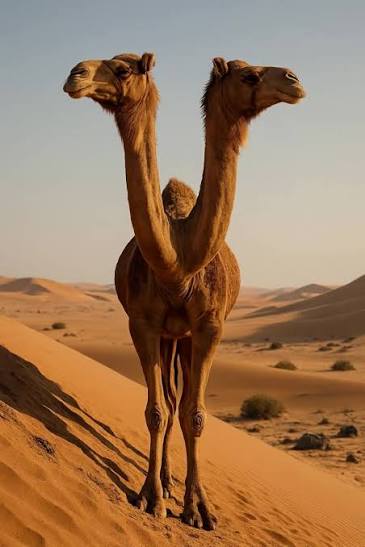
Camels have fascinated people for thousands of years. Often called the “ships of the desert,” these remarkable animals are closely associated with some of the world’s most distinctive landscapes, cultures and traditions. Today, the phrase “camel live” can refer to several different experiences, from watching camels in their natural environments to attending live camel events, following camel-related broadcasts or learning about these animals through online platforms.
The growing interest in live camel experiences reflects a wider fascination with wildlife, traditional lifestyles and unique forms of entertainment. Whether someone is searching for live camel viewing, camel racing, camel farms or simply wants to understand how camels behave, there is plenty to discover.nybusines.com
What Does Camel Live Mean?
“Camel live” is a broad phrase rather than the name of one universally recognised service. People may use it when searching for live streams featuring camels, camel racing events, animal parks, desert experiences or real-time information about camel-related activities.nybusines.com
In countries where camels remain an important part of culture and agriculture, live camel events can attract significant audiences. Camel races, festivals, exhibitions and traditional competitions provide opportunities for visitors to see these animals in action.nybusines.com
Online audiences have also made live viewing easier. Modern cameras and streaming technology allow people to observe animals without necessarily travelling to a desert, farm or wildlife centre. This has created new ways to appreciate camel behaviour and learn about their daily routines.
The Appeal of Watching Camels Live
Watching a camel through a photograph is very different from observing one moving, feeding or interacting with other animals. Live experiences reveal the personality and behaviour of camels in ways that static images cannot.
Camels are highly adapted animals. Their long legs help keep their bodies away from hot ground, while their bodies are capable of coping with challenging environments. Their distinctive humps store fat, which can be used as an energy reserve. Contrary to a common misconception, camel humps do not store water.nybusines.com
Live observation can make these adaptations easier to understand. Viewers may notice how camels walk, communicate, rest and interact with handlers or other members of their group.
For families and students, live camel experiences can also have educational value. They can provide an introduction to animal behaviour, desert ecology, traditional agriculture and the relationship between humans and domesticated animals.
Camel Racing and Live Events
One of the most exciting forms of camel-related entertainment is camel racing. Camel racing has a long history in parts of the Middle East and other regions where camels have traditionally been important.nybusines.com
Modern camel races can involve specially prepared tracks, professional training programmes and carefully managed animals. Events may attract large crowds, while some are also broadcast or shared through digital platforms.
Watching a camel race live gives audiences a completely different perspective on these animals. Camels are often associated with slow movement, but racing camels can travel surprisingly quickly. Their height, long stride and powerful movement make races visually distinctive.
Technology has also changed the sport. Timing systems, cameras and digital broadcasting can make races more accessible to audiences beyond the venue itself.nybusines.com
Camels in Their Natural Environment
Another meaning of “camel live” involves observing camels in natural or semi-natural environments. Wild camels are particularly interesting because they demonstrate how animals can survive in demanding ecosystems.
It is important to distinguish domesticated camels from truly wild camel populations. Domesticated camels have lived alongside humans for centuries and are used for transportation, farming, tourism and other purposes.
The wild camel, meanwhile, is among the world’s most threatened large mammals. Conservation programmes in parts of Central Asia focus on protecting remaining populations and their habitats.
Live wildlife observation can therefore be more than entertainment. When conducted responsibly, it can increase awareness of conservation challenges and encourage greater appreciation for vulnerable species.
Camel Farms and Educational Experiences
Camel farms offer another opportunity to experience these animals at close range. Visitors may learn how camels are cared for, what they eat and how they have historically contributed to communities.
In some regions, camel farms produce milk and other agricultural products. Camel milk has a long history of consumption in several cultures and has attracted international interest in recent years.
Farm experiences can also demonstrate the responsibilities involved in caring for large animals. Visitors can see feeding routines, grooming practices and veterinary care while learning about the practical relationship between people and camels.nybusines.com
Responsible farms prioritise animal welfare and provide suitable food, water, shelter and medical attention.
Camel Live Streams and Digital Media
The internet has created another dimension of camel viewing. Live cameras can potentially allow viewers to observe animals from home, depending on what facilities and organisations are broadcasting.
A live stream can be particularly interesting when it shows animals throughout the day. Instead of seeing a carefully selected photograph, viewers may observe natural behaviours such as resting, eating, walking or interacting with other animals.nybusines.com
Digital platforms also make it possible for educational organisations to share information about camel biology and conservation. Videos, virtual tours and live events can reach international audiences, making camel education more accessible.
However, viewers should always consider the source of a live stream. Reliable animal organisations and established educational institutions are generally better choices than unidentified websites offering questionable footage or information.nybusines.com
Why Camels Matter to Human History
Camels have played an enormous role in human history. Their ability to travel long distances while carrying substantial loads made them essential to trade routes crossing deserts and other dry regions.
Before modern transport, camel caravans connected communities separated by difficult terrain. Goods, people and ideas travelled along these routes, contributing to economic and cultural exchange.
Camels were also important for nomadic communities. They provided transportation, food and materials while allowing people to live in environments where other domesticated animals might struggle.
This historical importance remains visible today. Festivals, races and cultural traditions continue to celebrate the relationship between humans and camels.nybusines.com
Responsible Camel Tourism
As interest in camel experiences grows, animal welfare should remain a central consideration. Tourists should choose operators that demonstrate responsible treatment of animals.nybusines.com
Healthy camels should have access to appropriate food, clean water, shade and rest. Activities should not involve excessive workloads or unsafe conditions.
Visitors can also support responsible tourism by avoiding experiences where animals appear distressed, injured or poorly cared for. Choosing reputable organisations helps encourage better standards throughout the tourism industry.
The Future of Camel Live Experiences
The future of camel viewing is likely to combine traditional experiences with modern technology. Physical festivals and races will continue to attract audiences, while online broadcasting may allow international viewers to participate virtually.nybusines.com
Virtual reality and high-quality live video could eventually make remote animal observation even more immersive. Educational platforms may use interactive cameras to teach students about camel anatomy, behaviour and conservation.
At the same time, conservation organisations can use digital media to raise awareness about threatened wild camel populations and the importance of protecting their habitats.
nybusines.com
“Camel live” represents more than simply watching an animal on a screen. It can describe a broad range of experiences involving camel racing, farms, wildlife observation, cultural festivals, tourism and online broadcasting.
Camels are extraordinary animals with a deep connection to human civilisation. Their adaptations to harsh environments, their role in transportation and trade, and their continuing cultural importance make them fascinating subjects for live observation.nybusines.com
Whether experienced through a desert visit, a racing event, an educational farm or a digital stream, watching camels live offers a chance to appreciate these animals beyond the familiar image of a desert traveller. With responsible tourism, modern technology and stronger conservation efforts, the world can continue discovering and protecting the remarkable story of the camel.nybusines.com