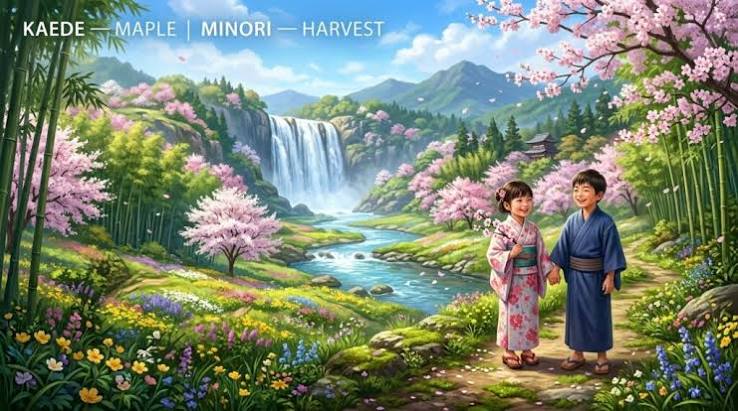
Japanese Twin Names: Meaning, Harmony, and Cultural Beauty
Choosing names for twins is a special and meaningful process, especially in Japanese culture, where names carry deep symbolism, aesthetic balance, and emotional significance. Japanese twin names are often selected not only for their individual meanings but also for how they complement each other as a pair. Whether through shared kanji (characters), similar sounds, or thematic connections, twin names in Japan reflect harmony, unity, and a sense of togetherness.
In this article, we explore the traditions, meanings, and popular choices of Japanese twin names, along with tips for selecting the perfect pair.nybusines.com
The Cultural Significance of Japanese Names
Japanese names are typically written using kanji, each character carrying its own meaning. Parents carefully choose kanji based on their meanings, pronunciation, and even stroke count, as some believe it can influence luck and destiny.
When naming twins, this process becomes even more thoughtful. Parents often aim to create a connection between the two names while preserving each child’s individuality. This balance between unity and uniqueness is central to Japanese naming traditions.
Common Themes in Japanese Twin Names
Japanese twin names often follow certain patterns or themes:
1. Shared Kanji Characters
One of the most popular approaches is using a common kanji in both names. For example:
- Haruto (陽翔) and Haruka (陽香) – sharing the kanji 陽 (sun, light)
- Yuki (雪) and Yukio (雪男) – sharing the kanji 雪 (snow)
This method symbolizes the twins’ shared origin and bond.
2. Matching Sounds or Rhymes
Some parents choose names that sound similar or have rhythmic harmony:
- Sora and Sorae
- Ren and Rena
These names create a pleasing phonetic connection.
3. Nature-Inspired Names
Nature plays a significant role in Japanese culture, and many twin names reflect elements like seasons, weather, or landscapes:
- Haru (spring) and Natsu (summer)
- Aoi (blue/hollyhock) and Midori (green)
4. Complementary Meanings
Another approach is choosing names with meanings that complement each other:
- Hikaru (light) and Yami (darkness)
- Kaito (ocean) and Riku (land)
These pairs reflect balance and duality.
Popular Japanese Twin Names for Boys
Here are some well-loved combinations for twin boys:
- Haruki and Haruto – both associated with spring and sunshine
- Ren and Rei – short, modern, and elegant
- Daiki and Taiki – strong, masculine names with similar sounds
- Sota and Yuta – friendly and contemporary
These names often emphasize strength, brightness, and vitality.
Popular Japanese Twin Names for Girls
Twin girls’ names tend to highlight beauty, softness, and nature:
- Sakura and Sumire – cherry blossom and violet
- Yui and Yuna – gentle, melodic names
- Airi and Akari – love/jasmine and light
- Hina and Hikari – sun and light
Such names often evoke elegance and femininity.
Twin Names for a Boy and Girl
For boy-girl twins, parents often seek harmony without making the names identical:
- Haru (boy) and Haruka (girl)
- Sora (boy) and Sorae (girl)
- Ren (boy) and Rena (girl)
- Kaito (boy) and Aiko (girl)
These pairs maintain a connection while reflecting gender differences.
The Role of Kanji in Twin Naming
Kanji selection is perhaps the most important part of Japanese naming. A single name can have multiple meanings depending on the characters used. For twins, parents may:
- Use the same kanji with different readings
- Combine related kanji (e.g., sun and moon)
- Choose characters that symbolize unity or balance
For example:
- Mei (芽衣 – bud, garment) and Rei (麗 – beautiful)
- Taiyo (太陽 – sun) and Tsuki (月 – moon)
These choices often reflect philosophical or poetic ideas.
Modern Trends in Japanese Twin Names
In recent years, Japanese naming trends have become more creative and global. Parents are experimenting with:
- Unique kanji combinations
- Western-influenced sounds
- Short, easy-to-pronounce names
Examples include:
- Rio and Leo
- Mia and Ria
- Kai and Rei
These names are simple, stylish, and internationally friendly.
Tips for Choosing Japanese Twin Names
If you are considering Japanese names for twins, here are some helpful tips:
1. Focus on Balance
Choose names that connect without being too similar. Each child should have their own identity.
2. Consider Meaning
Look beyond sound—understand the meaning of the kanji and how they relate.
3. Think About Pronunciation
Ensure the names are easy to say together and individually.
4. Reflect Personal Values
Select names that represent your hopes, beliefs, or cultural background.
5. Avoid Overly Complicated Pairings
While creativity is good, overly complex names can be difficult in daily life.
Symbolism Behind Twin Names
In Japanese culture, twins are often seen as a symbol of harmony and duality. Naming them becomes a poetic expression of:
- Unity and connection
- Balance between opposites
- Shared destiny with individual paths
Names like “Hikari” (light) and “Nozomi” (hope) reflect a positive vision for the future, while pairs like “Sora” (sky) and “Umi” (sea) represent vast natural elements.
Conclusion
Japanese twin names are a beautiful blend of tradition, meaning, and creativity. Whether inspired by nature, shared kanji, or harmonious sounds, these names reflect a deep cultural appreciation for balance and connection.
Choosing names for twins is more than just picking two words—it is about telling a story, expressing love, and setting the tone for a lifelong bond. Japanese naming traditions offer a rich and meaningful way to celebrate this unique relationship.
Whether you prefer classic, modern, or nature-inspired names, the key is to find a pair that resonates with both harmony and individuality. In doing so, you create not just names, but a lasting symbol of your twins’ shared journey.
If you’d like, I can also create a list of 50+ Japanese twin name pairs with meanings or suggest names based on gender, theme, or modern trends.