


An NFL playbook is far more than a collection of diagrams showing where players should run. It is a detailed strategic system that helps an American football team prepare for different opponents, game situations, formations, defensive looks, and changes that may happen during a game. One of the most common questions among football fans is how many plays are actually contained in an NFL playbook. The answer is not a single number because playbooks vary significantly from team to team and are constantly adjusted throughout the season.
The Number of Plays Can Vary Widely
An NFL team may have dozens or even hundreds of offensive plays available in its overall playbook. However, that does not mean players memorize and practise every play equally. A team might maintain a large master playbook while using a much smaller selection during a particular game.https://nybusines.com
A modern NFL playbook can contain roughly 200 to 500 or more individual concepts, plays, variations, and adjustments, depending on the coaching system. Some offensive systems are deliberately smaller and built around a limited number of plays that can be executed from many formations. Other systems are considerably larger and include numerous formations, motions, blocking schemes, route combinations, run concepts, play-action designs, and quarterback adjustments.
The exact number is usually closely guarded by teams because the playbook represents valuable strategic information.https://nybusines.com
Why One Play Can Have Many Variations
One reason it is difficult to count the plays in an NFL playbook is that a single basic play can have many versions.
For example, an offensive coach might install a running play such as inside zone. The fundamental concept remains the same, but it can be run from different formations and with different personnel groupings. The offense can also add motion, change the alignment of the tight end, alter the blocking assignment, or give the quarterback an option to change the play after reading the defense.
As a result, coaches might consider these variations separate plays for teaching and communication purposes even though they are based on the same fundamental concept.https://nybusines.com
The same principle applies to passing plays. A basic passing concept can be modified through different formations, route adjustments, motions, protections, and quarterback reads.
Offensive Playbooks
Offensive playbooks generally receive the most attention because they contain a wide variety of plays designed to move the football and score points.
A typical offensive system can include running plays, passing concepts, screens, play-action passes, quarterback runs, red-zone plays, short-yardage plays, goal-line packages, and two-minute offense.
Within each category are numerous variations.https://nybusines.com
For example, a running game might include inside zone, outside zone, duo, power, counter, trap, draw, and other concepts. Each may have several formations and adjustments.
Passing plays can be even more complex. Coaches can design concepts involving slant routes, curls, outs, digs, posts, corners, crossers, vertical routes, option routes, and combinations involving several receivers.
Consequently, the number of diagrams in an offensive playbook can become very large.
Defensive Playbooks Are Different
Defensive playbooks also contain many calls, although coaches often organize them differently.
A defense may have multiple base fronts, coverage schemes, blitz packages, pressures, substitutions, and situational calls. A defensive call can determine where players line up, which gaps they attack, who rushes the passer, and how defensive backs cover receivers.
For example, a defense may use man coverage, Cover 2, Cover 3, Cover 4, Cover 6, match coverage, or specialized pressure packages. These systems can be combined with different fronts and personnel groupings.
This means a defensive playbook can also contain hundreds of possible combinations.
The Game Plan Is Smaller Than the Playbook
Perhaps the most important distinction is between a team’s complete playbook and its weekly game plan.
NFL players do not normally enter a game expecting to use every play available in the team’s entire system. Instead, coaches study the upcoming opponent and create a focused game plan.
An offensive coordinator may select a smaller collection of plays that specifically attack the opponent’s defensive weaknesses. The team then spends the week practising those plays and the adjustments connected to them.
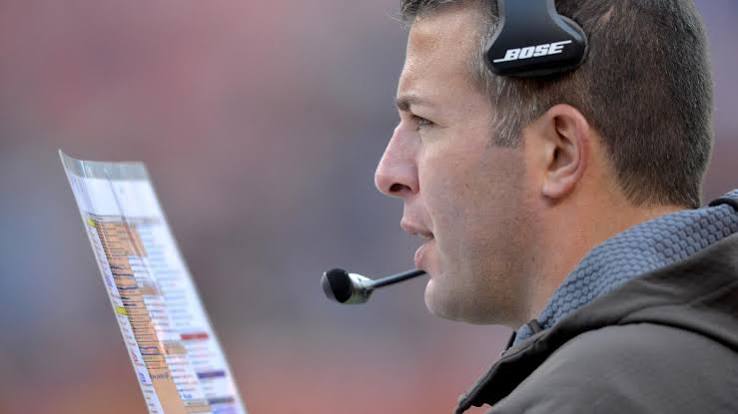
The result may be a game-day call sheet containing a much smaller number of primary plays than the total number found in the complete playbook.
Situational Football Adds More Plays
NFL teams also need plays for specific situations. These include third downs, fourth downs, two-minute situations, red-zone possessions, goal-line plays, backed-up situations, short-yardage attempts, and plays near the end of a half.
Special situations can require completely different strategies.
A team may have several favourite third-down concepts depending on the distance. A third-and-short situation might require a different play from a third-and-long situation. Similarly, the offense may use a specialised package when it reaches the opponent’s goal line.
These situational plays increase the overall size of the system.https://nybusines.com
How Players Learn the Playbook
Learning an NFL playbook is a major part of becoming a professional player. Players must understand more than simply memorising where they are supposed to run.
They need to know formations, assignments, blocking responsibilities, route adjustments, protections, motions, snap counts, and what to do when the defense changes.
Quarterbacks often have particularly extensive responsibilities because they may need to identify defensive formations and make adjustments before the snap.
Players use meetings, practice sessions, film study, walkthroughs, quizzes, and repetitions to learn the system. Coaches gradually install portions of the playbook rather than expecting players to master everything at once.
Playbooks Change During the Season
An NFL playbook is not a fixed document. Coaches can add, remove, or modify plays throughout the season.
If a particular concept works especially well, a team may build additional variations around it. If an opponent discovers a weakness in a formation, coaches can modify the design.
Injuries can also affect the playbook. If a team loses a particular player, coaches may remove certain plays or introduce alternatives that better suit the abilities of the replacement.
New opponents also create new challenges, so weekly game plans can look very different.
Why NFL Teams Do Not Simply Use Hundreds of Plays Every Game
Having a huge playbook does not necessarily make an offense better. Football requires precision, timing, and communication. Players need enough repetition to execute a play correctly under pressure.
A smaller collection of well-practised plays can sometimes be more effective than a massive collection of plays that players rarely practise.
This is why successful NFL offenses often build around a core group of concepts and create variations from those concepts. The goal is to make the offense difficult to predict without overwhelming the players.
How Many Plays Does a Team Actually Run?
During a typical NFL game, an offense may run dozens of plays, but many of those plays can come from a relatively limited collection of concepts.
A team might repeatedly call the same fundamental run or passing concept while changing the formation, motion, personnel, or route combination. To spectators, these plays may look different, but they can be closely related within the offensive system.
Therefore, the number of plays called during a game should not be confused with the number of plays contained in the complete playbook.
Conclusion
So, how many plays are in an NFL playbook? There is no universal number. A professional team’s complete offensive or defensive playbook can contain hundreds of plays, concepts, variations, formations, adjustments, and situational calls. Some systems may be relatively compact, while others can become extremely extensive.
The key is that NFL teams do not rely on the entire playbook during every game. Coaches select a carefully designed weekly game plan based on the opponent, injuries, personnel, and expected situations. Players then practise that smaller selection repeatedly so they can execute it with speed and precision.https://nybusines.com
Ultimately, an NFL playbook is best understood not as a simple list of plays but as an interconnected system of football concepts. Its real complexity comes from the countless ways coaches can combine formations, personnel, motions, routes, protections, blocking schemes, and defensive adjustments. That flexibility allows teams to keep opponents guessing while giving their own players a structured plan for almost every situation on the football field.