



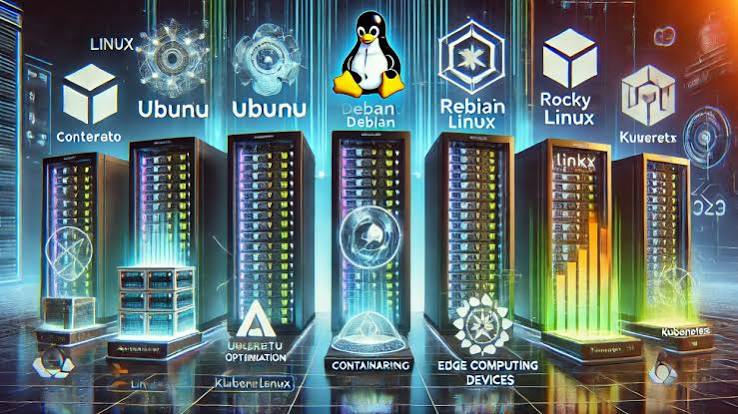
Emerging Trends in PB Linux Tech: Shaping the Future of Open-Source Innovation
In recent years, the world of Linux technology has evolved rapidly, driven by the increasing demand for secure, scalable, and customizable computing environments. PB Linux tech—often referring to performance-based or platform-based Linux solutions—has emerged as a key area of innovation. From enterprise systems to personal computing, Linux continues to redefine how technology is built, deployed, and managed. This article explores the most significant trends shaping PB Linux tech and how they are influencing the broader digital landscape.
1. Rise of Cloud-Native Linux Platforms
One of the most prominent trends in PB Linux tech is the shift toward cloud-native environments. Linux has long been the backbone of cloud infrastructure, but today’s systems are more optimized than ever for containerization and microservices. Platforms such as Kubernetes, Docker, and OpenShift rely heavily on Linux kernels to deliver high performance and reliability.
Cloud-native Linux distributions are designed specifically for scalability, minimal resource usage, and seamless integration with orchestration tools. These systems allow organizations to deploy applications faster, scale them efficiently, and reduce downtime. As businesses continue migrating to the cloud, Linux-based solutions remain at the forefront of this transformation.
2. Enhanced Security and Privacy Features
Security has always been a strong suit of Linux, but recent trends show even greater emphasis on advanced protection mechanisms. PB Linux tech is now incorporating features like secure boot, kernel lockdown modes, and real-time threat detection.nybusines.com
Privacy-focused Linux distributions are also gaining popularity, especially among individuals and organizations concerned about data tracking and surveillance. Tools like SELinux (Security-Enhanced Linux) and AppArmor provide granular control over system processes, ensuring that unauthorized access is minimized.
Additionally, the open-source nature of Linux allows developers worldwide to continuously audit and improve security protocols, making it one of the most trusted platforms in the tech ecosystem.
3. Growth of Edge Computing
Edge computing is another area where PB Linux tech is making a significant impact. Instead of relying solely on centralized data centers, edge computing processes data closer to the source—such as IoT devices, sensors, and local servers.
Linux is ideally suited for edge environments due to its lightweight architecture and flexibility. Specialized Linux distributions are being developed to run on low-power devices while maintaining high performance. This trend is particularly important for industries like healthcare, manufacturing, and smart cities, where real-time data processing is crucial.
4. AI and Machine Learning Integration
Artificial intelligence (AI) and machine learning (ML) are becoming integral to modern computing, and Linux plays a central role in supporting these technologies. PB Linux tech is increasingly optimized for AI workloads, with support for GPU acceleration, distributed computing, and high-performance data processing.
Frameworks such as TensorFlow and PyTorch are widely used on Linux systems, enabling developers to build and deploy AI models efficiently. Linux’s stability and scalability make it the preferred choice for research institutions and tech companies working on cutting-edge AI innovations.
As AI continues to expand into areas like automation, predictive analytics, and natural language processing, Linux-based platforms will remain essential for powering these advancements.
5. Containerization and Virtualization Advancements
Containerization has revolutionized how applications are developed and deployed, and Linux is at the heart of this movement. PB Linux tech continues to improve container performance, security, and management capabilities.
Technologies like LXC (Linux Containers) and KVM (Kernel-based Virtual Machine) provide robust virtualization options, allowing multiple environments to run on a single system without compromising performance. This trend is particularly beneficial for businesses seeking cost-effective and efficient infrastructure solutions.
Moreover, the combination of containers and virtualization enables hybrid and multi-cloud strategies, giving organizations greater flexibility in managing their IT resources.
6. Increased Adoption in Enterprise Environments
Enterprises are increasingly turning to Linux-based systems for their reliability, cost-effectiveness, and scalability. PB Linux tech offers customized solutions tailored to specific business needs, from data centers to enterprise applications.
Major corporations and government institutions are adopting Linux for critical operations, recognizing its ability to handle large-scale workloads while maintaining high uptime. Enterprise Linux distributions provide long-term support, regular updates, and professional services, making them a viable alternative to proprietary operating systems.
This trend is expected to continue as businesses prioritize efficiency, security, and innovation in their IT strategies.
7. Focus on User-Friendly Experiences
Historically, Linux was considered complex and less accessible to average users. However, recent developments in PB Linux tech have significantly improved user experience. Modern Linux distributions feature intuitive interfaces, simplified installation processes, and extensive software repositories.
Desktop environments like GNOME, KDE Plasma, and XFCE offer visually appealing and customizable interfaces, making Linux a practical choice for everyday computing. This trend is helping bridge the gap between technical users and mainstream audiences.
As usability continues to improve, more individuals are exploring Linux as an alternative to traditional operating systems.
8. Sustainability and Energy Efficiency
Sustainability is becoming a key consideration in technology development, and Linux is contributing to this effort. PB Linux tech focuses on optimizing resource usage, reducing energy consumption, and extending hardware lifespan.
Lightweight Linux distributions can run efficiently on older hardware, reducing electronic waste and promoting environmentally friendly computing practices. Data centers using Linux-based systems also benefit from improved energy efficiency, lowering operational costs and environmental impact.
This trend aligns with global efforts to create more sustainable and responsible technology solutions.
9. Open-Source Collaboration and Innovation
The open-source nature of Linux fosters collaboration and innovation on a global scale. Developers, organizations, and communities work together to enhance Linux systems, share knowledge, and create new technologies.
PB Linux tech benefits from this collaborative ecosystem, resulting in faster development cycles and continuous improvements. Open-source projects encourage transparency, flexibility, and creativity, enabling users to customize systems according to their needs.
This culture of collaboration ensures that Linux remains at the cutting edge of technological advancement.
10. Future Outlook of PB Linux Tech
Looking ahead, PB Linux tech is poised to play an even more significant role in shaping the future of computing. With advancements in quantum computing, blockchain, and advanced networking, Linux-based systems are expected to adapt and evolve to meet new challenges.
The integration of Linux with emerging technologies will open new possibilities for innovation, from smart infrastructure to autonomous systems. As the demand for secure, scalable, and efficient computing continues to grow, Linux will remain a cornerstone of modern technology.
Conclusion
PB Linux tech represents a dynamic and rapidly evolving segment of the technology landscape. From cloud computing and AI integration to enhanced security and sustainability, Linux continues to drive innovation across industries. Its flexibility, reliability, and open-source foundation make it an indispensable tool for developers, businesses, and individuals alike.
As these trends continue to develop, Linux is not only shaping the present but also defining the future of computing. Embracing PB Linux tech means staying ahead in a world where technology is constantly changing, offering endless opportunities for growth and advancement.
If you want, I can tailor this article for SEO (keywords, headings, meta description) or simplify it for a blog audience.