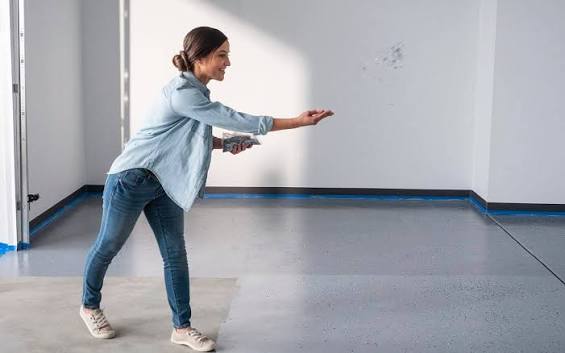
When it comes to upgrading a garage, one of the most impactful improvements you can make is installing an epoxy floor. Epoxy garage floors have become increasingly popular among homeowners and commercial property owners alike, thanks to their durability, sleek appearance, and long-term value. Whether you use your garage as a workspace, storage area, or even a showroom for your vehicles, epoxy flooring offers a combination of practicality and aesthetics that is hard to beat.
What Is an Epoxy Garage Floor?
An epoxy garage floor is created by applying a mixture of resin and hardener to a concrete surface. When these components are combined, they chemically react to form a rigid plastic material that bonds strongly to the concrete. The result is a seamless, glossy, and highly durable surface that can withstand heavy use and harsh conditions.
Unlike traditional concrete floors, which can crack, stain, and wear down over time, epoxy coatings provide a protective layer that enhances both the strength and appearance of the floor. This makes epoxy an excellent choice for garages that experience frequent foot traffic, vehicle movement, or exposure to chemicals.
Benefits of Epoxy Garage Flooring
One of the main reasons homeowners choose epoxy flooring is its exceptional durability. Epoxy coatings are resistant to impacts, abrasions, and heavy loads, making them ideal for garages where tools, equipment, and vehicles are constantly in use. The surface can handle the weight of cars and machinery without cracking or chipping.
Another significant advantage is resistance to stains and chemicals. Oil spills, gasoline, brake fluid, and other automotive chemicals can easily damage bare concrete. Epoxy flooring, however, creates a non-porous surface that prevents these substances from penetrating, making cleanup quick and easy.
Epoxy floors are also known for their aesthetic appeal. Available in a wide range of colors, patterns, and finishes, epoxy can transform a dull garage into a modern and attractive space. Popular styles include solid colors, metallic finishes, and decorative flakes that add texture and depth.nybusines.com
Maintenance is another area where epoxy excels. Unlike bare concrete, which can collect dust and require frequent cleaning, epoxy floors are smooth and easy to maintain. A simple sweep and occasional mop are usually enough to keep the surface looking new.
Additionally, epoxy coatings can improve safety. Many finishes include anti-slip additives that reduce the risk of slips and falls, especially in areas prone to moisture or spills. The reflective surface also enhances lighting, making the garage brighter and easier to work in.
Types of Epoxy Garage Floor Coatings
There are several types of epoxy coatings available, each suited to different needs and preferences. Water-based epoxy is a popular option for DIY projects due to its ease of application and low odor. It provides a decent level of protection but may not be as durable as other types.
Solvent-based epoxy offers better durability and adhesion, making it suitable for heavier use. However, it emits strong fumes during application and requires proper ventilation.
100% solid epoxy is the most durable and professional-grade option. It provides the thickest coating and highest resistance to wear and chemicals. This type is often used in commercial or industrial settings but is also an excellent choice for homeowners who want the best possible performance.
Metallic epoxy and decorative flake systems are specialized options designed for visual impact. Metallic epoxy creates a unique, marbled effect, while flake systems add colored chips to the surface for a textured and stylish finish.
Installation Process
Installing an epoxy garage floor involves several steps, and proper preparation is key to achieving long-lasting results. The first step is cleaning the concrete thoroughly to remove dirt, grease, and debris. Any cracks or imperfections should be repaired to ensure a smooth surface.
Next, the floor is typically etched or ground to create a rough texture that helps the epoxy adhere properly. Once the surface is prepared, a primer may be applied, followed by the epoxy coating itself. Depending on the system, multiple layers may be added, along with decorative elements such as flakes or metallic pigments.
Finally, a topcoat is applied to seal the surface and provide additional protection. The floor must then cure for a specified period before it can be used. While DIY kits are available, many homeowners choose professional installation to ensure optimal results.
Cost Considerations
The cost of an epoxy garage floor can vary depending on factors such as the size of the space, the type of epoxy used, and whether you hire professionals. On average, DIY kits may cost between $2 to $5 per square foot, while professional installations can range from $5 to $12 per square foot or more.
Although the initial investment may seem high, epoxy flooring often pays off in the long run due to its durability and low maintenance requirements. It can also increase the overall value and appeal of your property.
Common Mistakes to Avoid
One of the most common mistakes in epoxy flooring is inadequate surface preparation. Skipping or rushing this step can lead to poor adhesion and premature peeling. It is essential to clean and etch the concrete properly before applying the coating.
Another mistake is applying epoxy in unsuitable conditions. Temperature and humidity can affect how the epoxy cures, so it is important to follow manufacturer guidelines carefully.
Using low-quality materials can also result in disappointing outcomes. Investing in high-quality epoxy products ensures better performance and longevity.
Is Epoxy Flooring Right for You?
Epoxy garage flooring is an excellent choice for anyone looking to enhance the functionality and appearance of their garage. It offers a combination of strength, beauty, and ease of maintenance that few other flooring options can match.
However, it may not be suitable for every situation. For example, if your concrete slab has severe moisture issues, additional steps may be required before installing epoxy. It is important to assess your specific needs and conditions before making a decision.
Conclusion
Epoxy garage floors are a smart investment for homeowners who want a durable, attractive, and low-maintenance solution for their garage space. With a wide range of styles and finishes available, epoxy can transform an ordinary garage into a clean, professional-looking environment.
Whether you choose to tackle the project yourself or hire professionals, understanding the benefits, types, and installation process of epoxy flooring will help you make an informed decision. In the long run, an epoxy garage floor not only enhances your daily experience but also adds value to your home.
If you’d like, I can tailor this article for SEO, add headings for a blog format, or include keywords and meta descriptions.