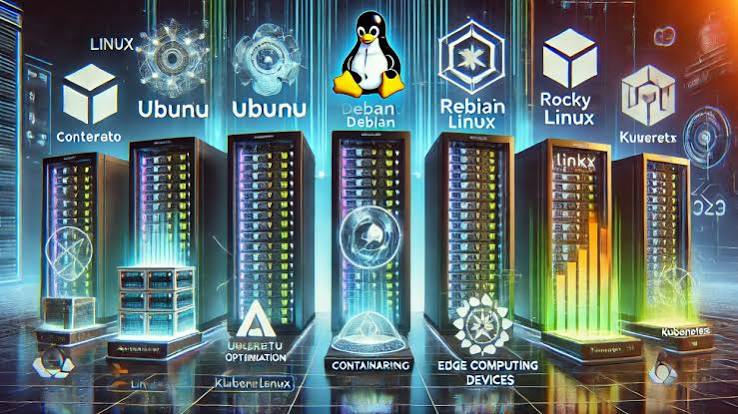






The world of technology is evolving at an unprecedented pace, and within this dynamic landscape, Linux continues to stand as a powerful force driving innovation, flexibility, and security. The concept of “PBLinuxTech” reflects a growing ecosystem of trends surrounding Linux-based platforms, open-source development, and performance-driven computing solutions. From cloud computing to artificial intelligence, Linux remains at the core of many modern technological advancements. Understanding the latest trends in PBLinuxTech offers valuable insights into where the digital world is heading and how individuals and businesses can adapt.
The Rise of Linux in Cloud Computing
One of the most significant trends in PBLinuxTech is the dominance of Linux in cloud computing environments. Major cloud service providers rely heavily on Linux-based systems due to their stability, scalability, and cost-efficiency. Enterprises are increasingly migrating workloads to the cloud, and Linux distributions such as Ubuntu, CentOS, and Red Hat Enterprise Linux are becoming the backbone of cloud infrastructure.
The flexibility of Linux allows organisations to customise their environments according to specific requirements. This adaptability, combined with strong community support, makes Linux an ideal choice for cloud-native applications. As more businesses embrace hybrid and multi-cloud strategies, the demand for Linux expertise continues to grow, reinforcing its position as a cornerstone of modern IT infrastructure.nybusines.com
Growth of Open-Source Collaboration
Another defining trend in PBLinuxTech is the rapid expansion of open-source collaboration. Developers from around the world are contributing to projects, creating a vibrant ecosystem of innovation. Platforms like GitHub and GitLab have made it easier than ever for developers to collaborate, share code, and improve software collectively.
Open-source projects are no longer limited to hobbyists or small communities. Large corporations, including tech giants, actively contribute to open-source initiatives. This collaboration accelerates development cycles, enhances security through peer review, and fosters transparency. As a result, open-source solutions are becoming more reliable and widely adopted across industries.
Linux and Cybersecurity Advancements
Security remains a critical concern in the digital age, and Linux continues to lead in this area. One of the key trends in PBLinuxTech is the focus on advanced security features and proactive threat management. Linux systems are known for their robust security architecture, which includes user permissions, encryption capabilities, and regular updates.
With the rise of cyber threats, organisations are prioritising secure operating systems, and Linux is often the preferred choice. Security-focused distributions such as Kali Linux and Parrot OS are widely used for penetration testing and ethical hacking. Additionally, the open-source nature of Linux allows vulnerabilities to be identified and resolved quickly, making it a reliable option for secure environments.
Integration with Artificial Intelligence and Machine Learning
Artificial intelligence (AI) and machine learning (ML) are transforming industries, and Linux plays a vital role in this revolution. Many AI frameworks, including TensorFlow and PyTorch, are optimised for Linux environments. This compatibility has led to a growing trend in PBLinuxTech where developers and researchers rely on Linux systems for building and deploying AI models.
The performance efficiency of Linux, combined with its ability to handle high-performance computing tasks, makes it ideal for AI workloads. As AI continues to evolve, Linux is expected to remain a key platform for innovation, supporting advancements in automation, data analysis, and intelligent systems.
Containerisation and DevOps Evolution
Containerisation is another major trend shaping the PBLinuxTech landscape. Technologies like Docker and Kubernetes have revolutionised the way applications are developed, deployed, and managed. Linux-based containers allow developers to package applications with their dependencies, ensuring consistency across different environments.
The adoption of DevOps practices has further accelerated the use of containers. Continuous integration and continuous deployment (CI/CD) pipelines rely heavily on Linux systems for automation and efficiency. This trend is enabling organisations to deliver software faster while maintaining high quality and reliability.nybusines.com
Internet of Things (IoT) and Embedded Systems
The Internet of Things (IoT) is expanding rapidly, and Linux is at the heart of many IoT devices. From smart home systems to industrial automation, Linux-based platforms provide the flexibility and performance needed for embedded systems. Lightweight distributions such as Raspberry Pi OS and Yocto are widely used in IoT applications.
This trend in PBLinuxTech highlights the growing importance of Linux in everyday technology. As IoT devices become more interconnected, the need for secure and efficient operating systems will continue to rise. Linux’s adaptability makes it a preferred choice for developers working on innovative IoT solutions.
Desktop Linux Gaining Popularity
While Linux has long been dominant in servers and enterprise environments, its presence on desktop systems is steadily increasing. User-friendly distributions like Ubuntu, Linux Mint, and Fedora are making Linux more accessible to everyday users. Improvements in graphical interfaces, software compatibility, and hardware support are contributing to this growth.
The shift towards remote work and digital independence has also encouraged users to explore Linux as an alternative to proprietary operating systems. This trend reflects a broader movement towards open-source solutions and greater control over personal computing environments.
Sustainability and Energy Efficiency
Sustainability is becoming a key consideration in technology, and Linux contributes positively in this area. One emerging trend in PBLinuxTech is the focus on energy-efficient computing. Linux systems are known for their ability to run efficiently on older hardware, reducing electronic waste and extending the lifespan of devices.
Organisations are increasingly adopting Linux to lower energy consumption and reduce operational costs. This aligns with global efforts to promote environmentally friendly practices in the tech industry. As sustainability becomes a priority, Linux’s efficiency will continue to be a significant advantage.
The Future of PBLinuxTech
Looking ahead, the future of PBLinuxTech appears promising. Emerging technologies such as edge computing, blockchain, and quantum computing are likely to benefit from Linux’s flexibility and open-source nature. Developers will continue to innovate, pushing the boundaries of what is possible with Linux-based systems.
Education and training in Linux technologies are also expected to grow, as more professionals recognise the value of open-source skills. Certifications and learning platforms are helping individuals build expertise, ensuring a steady supply of talent to support the evolving tech landscape.
Conclusion
The trends in PBLinuxTech highlight the enduring relevance of Linux in a rapidly changing technological world. From cloud computing and cybersecurity to AI and IoT, Linux remains a driving force behind innovation and efficiency. Its open-source foundation encourages collaboration, adaptability, and continuous improvement, making it a preferred choice for developers, businesses, and organisations worldwide.
As technology continues to advance, Linux will undoubtedly play a central role in shaping the future. By staying informed about these trends, individuals and organisations can harness the full potential of PBLinuxTech and remain competitive in the digital age.
If you’d like, I can optimise this article for SEO, add FAQs, or expand it to 1500+ words with deeper research.